Peace of mind shouldn’t be complicated: A Motion Sensor Product Overview


There’s a quiet moment between midnight and dawn when every creak or shuffle can turn a caregiver’s calm into a spike of worry—will Mom steady herself getting out of bed? Did Dad wander down the hallway? The Long Range Wireless Motion Sensor Alarm is designed for those fragile, anxious minutes: a small, unobtrusive device that listens for movement and sends an instant alert, turning sleepless vigilance into reassuring, actionable peace of mind so you can protect independence without sacrificing safety.
Introducing the Long Range Wireless Motion Sensor Alarm — a discreet, reliable way to monitor when someone gets out of bed or leaves a room. Place the slim sensor on the floor beside the bed to detect feet touching the floor, or position it in a doorway to catch exits; its wireless signal reaches up to 918 feet in open areas to ensure the receiver gets alerts quickly.
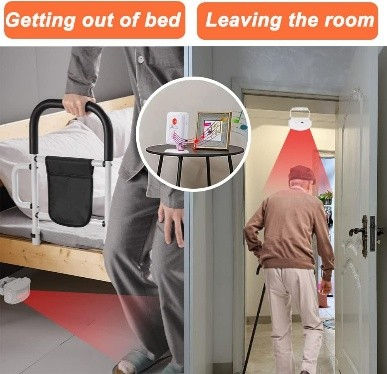

Setup is effortless: the motion sensor and receiver come factory-paired and only require batteries (or micro USB power) to start. On first use the sensor runs a 20-second self-test (indicator light slowly flashes), then enters normal operation — just test sensing range and direction before mounting.
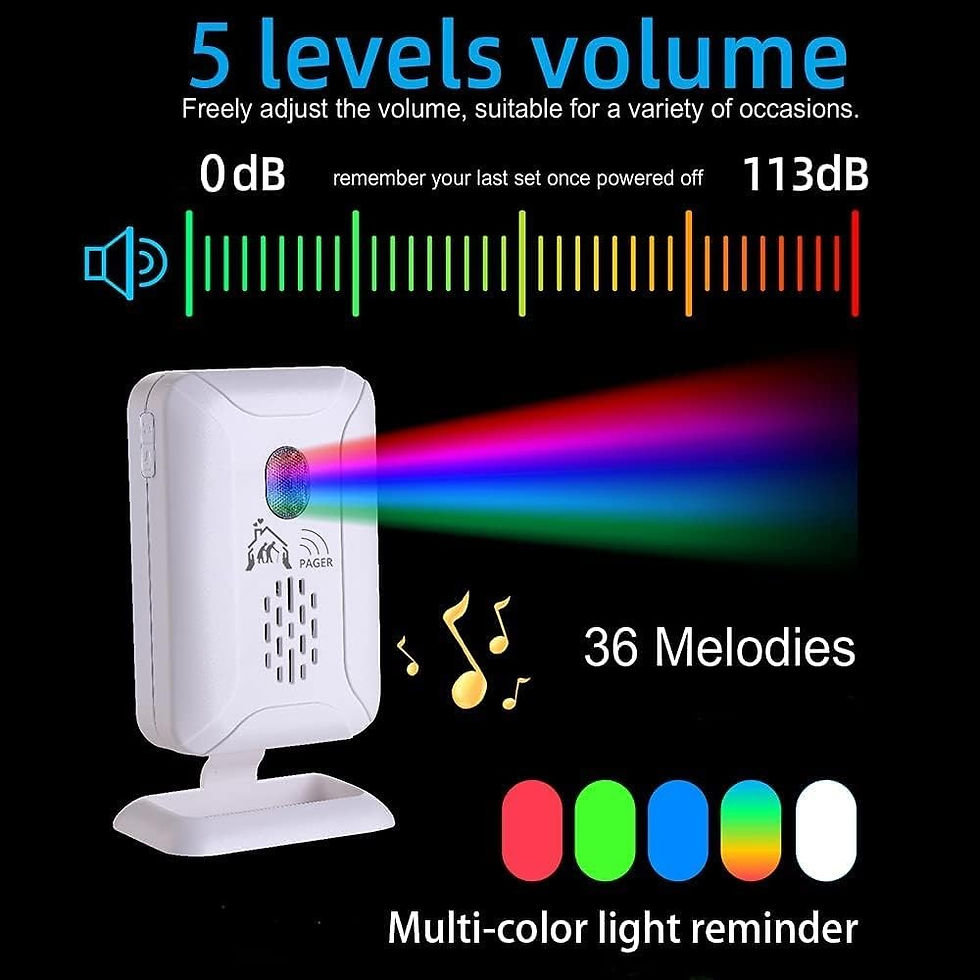
Flexible power and alert options let you adapt the system to your needs. Both sensor and receiver can run on batteries or via Micro USB (battery pack and cable included). Choose from four alert modes — sound + flashing light, flashing light only, LED light, or a 113 dB alarm — and adjust volume or brightness with the receiver’s side buttons.
Built for durability and backed by fast customer support, this motion sensor alarm offers practical monitoring with minimal fuss. If you have questions or feedback, the manufacturer encourages emails and user suggestions to keep improving the product.
Important Disclaimers
Medical & Professional Advice Disclaimer: This content is intended for informational and emotional support purposes only and does not constitute medical, legal, or professional caregiving advice. Every family's situation is unique, and decisions regarding memory care or medical treatment should be made in consultation with healthcare professionals, elder care specialists, and legal advisors who understand your specific circumstances. If you or someone you know is experiencing a mental health crisis, please contact the National Alliance on Mental Illness (NAMI) Helpline at 1-800-950-NAMI or the 988 Suicide and Crisis Lifeline. For immediate caregiver support, contact the Alzheimer's Association 24/7 Helpline at 800-272-3900.
Affiliate Disclosure: To keep this resource free for all caregivers, some of the links in this post may be affiliate links. This means that, at no additional cost to you, I may earn a small commission if you click through and make a purchase. I only recommend books, products, and services that are highly rated or have been vetted for their value to the caregiving community. Your support through these links helps sustain the research and writing required to provide this content. Thank you for your support!


Comments