So, You Have a Diagnosis. Now What?

Receiving a diagnosis of dementia or Alzheimer's can feel like the ground has shifted beneath your feet. The news often comes with a flood of emotions—fear, confusion, sadness—and a pressing question: what do you do next? If you are stepping into the role of a caregiver, the path ahead may seem overwhelming. This post will guide you through practical changes in diet, social life, grooming, and safety to help you support your loved one with confidence and care.
1. Adjusting Dietary Needs with Care
Nutrition plays a crucial role in managing dementia symptoms and overall health. Changes in appetite, taste, and swallowing can affect what and how your loved one eats.
Focus on balanced meals
Include fruits, vegetables, whole grains, lean proteins, and healthy fats. These support brain health and physical well-being.
Simplify food choices
Offer familiar foods in smaller portions to avoid overwhelming your loved one. For example, instead of a large plate, serve finger foods like sliced fruits or cheese cubes.
Stay hydrated
People with dementia may forget to drink water. Keep a water bottle or cup within easy reach and encourage regular sips throughout the day.
Watch for swallowing difficulties
If choking or coughing during meals occurs, consult a healthcare professional. They may recommend softer foods or specific swallowing techniques.
Create a calm eating environment
Reduce distractions like TV or loud noises. Eating together at the table can encourage social interaction and better focus on meals.
The National Institute on Aging offers detailed guidance on nutrition for dementia patients here.
2. Encouraging Meaningful Socialization
Isolation can worsen dementia symptoms and affect mental health. Social interaction helps maintain cognitive function and emotional well-being.
Keep routines simple and consistent
Plan regular visits with family or friends who understand the condition. Familiar faces provide comfort.
Engage in gentle activities
Activities like listening to music, gardening, or simple crafts can stimulate the mind without causing frustration.
Use technology wisely
Video calls can connect your loved one with distant relatives. Keep sessions short and guided to avoid confusion.
Join support groups
Many communities offer groups for people with dementia and caregivers. These provide social opportunities and valuable resources.
Be patient and flexible
Your loved one’s ability to communicate may change. Use nonverbal cues like smiles or touch to connect.
The Alzheimer's Association provides resources on social engagement strategies here.
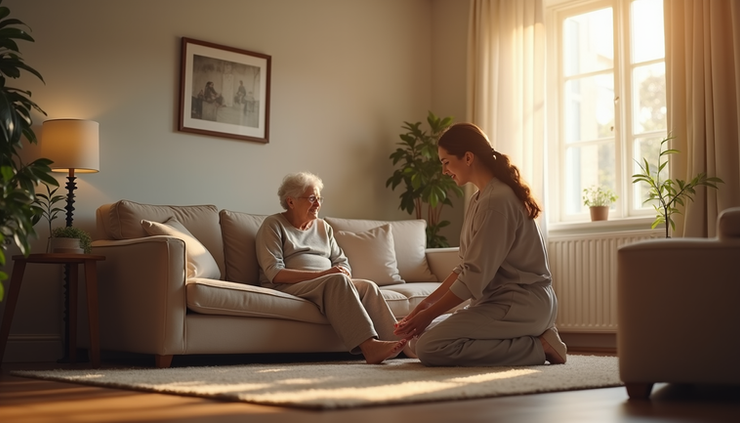
3. Maintaining Grooming and Personal Care
Personal hygiene can become challenging as dementia progresses. Maintaining dignity and comfort is key.
Establish a daily routine
Consistency helps reduce anxiety. For example, schedule bathing and grooming at the same time each day.
Simplify tasks
Break grooming into small steps. Use clear, gentle instructions and offer help only when needed.
Choose familiar products
Use favorite soaps, shampoos, or lotions to create a sense of normalcy.
Adapt the environment
Install grab bars in the bathroom and use non-slip mats to prevent falls.
Respect privacy and preferences
Allow your loved one to do what they can independently. Offer choices like which clothes to wear to support autonomy.
The Centers for Disease Control and Prevention (CDC) offers tips on personal care for dementia patients here.
4. Creating a Safe Living Space
Safety is a top priority for caregivers. Dementia can affect judgment, memory, and mobility, increasing risks at home.
Remove hazards
Clear clutter, secure rugs, and lock away sharp objects or medications.
Install safety devices
Use door alarms, stove shut-off devices, and motion-sensor lights to prevent accidents.
Label important areas
Signs on doors or drawers can help your loved one navigate independently.
Monitor wandering risks
Consider GPS trackers or alert systems if your loved one tends to wander.
Prepare for emergencies
Keep emergency numbers visible and have a plan for quick response.
The Alzheimer's Society provides a comprehensive checklist for home safety here.


Comments